The following workshops may be offered at ICBI 2027. Delegates can express their interests in any of the below workshops when registrations reopen later in 2026.
If you are interested in running a workshop at ICBI 2027, click on the button below to submit a proposal.
Traits, Adaptation and Invasion: Developing a Global Database for the Invasive Potential of Pest and Pathogens
Dr Nari Williams – Senior Scientist / Senior Lecturer at Plant and Food Research, The University of Auckland, New Zealand
This workshop examines traits driving invasiveness in pests and pathogens, using real-world data to develop a global traits database. Participants will explore ecological, biological, and environmental factors influencing invasion potential while addressing limitations in current species descriptions. By integrating phylogenetic, morphological, and reproductive traits, the workshop aims to enhance frameworks for managing biological invasions, benefiting researchers, land managers, and policymakers with actionable insights and strategies.
Interactions Between Genetically Modified and Non-Genetically Modified Organisms in our Environment

Mr Michail Ivanov – PhD Researcher at the University of Adelaide, Australia
This workshop explores the interactions between GM and non-GM organisms, assessing biosecurity impacts, biodiversity, and sustainability. Themes include climate change, traditional practices, and gene technology’s role in pest management and crop coexistence. Industry and stakeholder practices are examined alongside innovations like gene drives, considering their potential as threats or solutions. The focus is on balancing innovation with environmental and cultural preservation.
Integrating Climate Change into Invasive Species Risk Assessment
Dr Darren Kriticos – Principal Research Scientist at Cervantes Agritech Pty Ltd, Australia
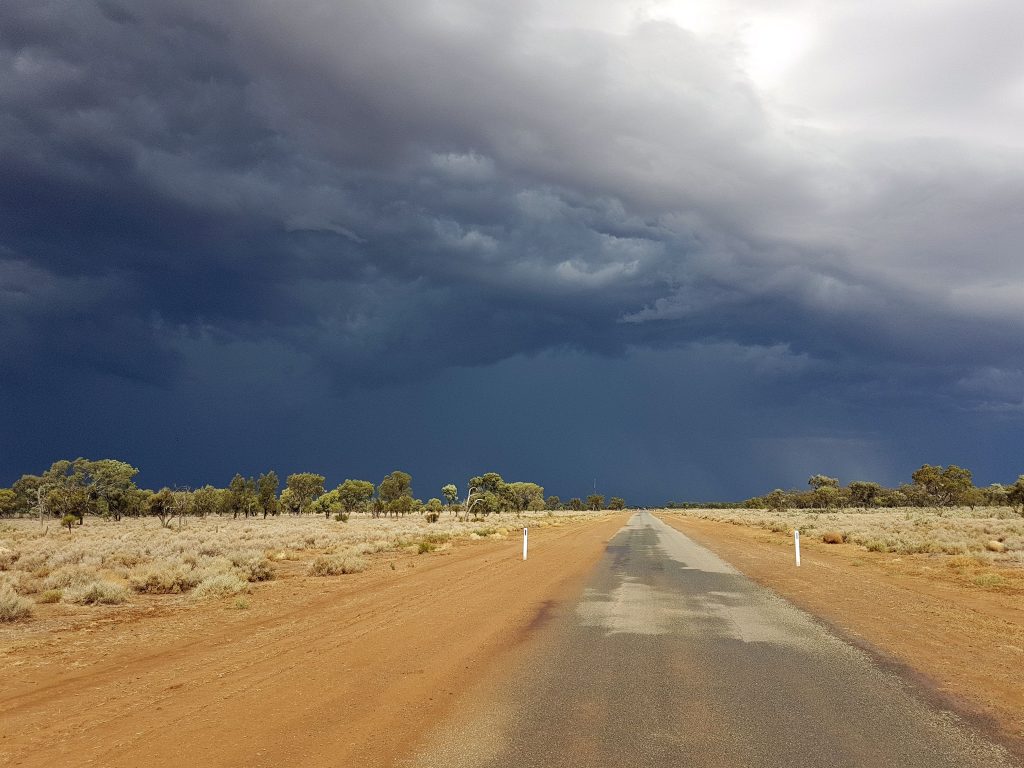
This workshop addresses climate change and invasive species in three parts: scientific foundations, including tools, models, and case studies; the intersection of science, policy, and practice; and a collaborative session to identify challenges, solutions, and a roadmap for integrating climate change into pest risk assessments. By combining foundational knowledge with practical discussions, the workshop aims to advance actionable strategies for managing invasive species in a changing climate.
Image credit: Dr Allan Spessa
Layers of Complexity, Tackling Invasions of a Generalist Beetle-Pathogen Complex Across Connected and Diverse Environments - Urban, Agricultural and Native
Dr Monique Sakalidis – Research Scientist at DPIRD (Department of Primary Industries and Regional Development), Australia
This workshop explores sustainable approaches to managing ISHB-FD impacts. Key topics include host-pathogen interactions, innovative control methods, advanced detection tools, public engagement, and restoration strategies. Participants will learn about ecological impacts, advancements in pest control, and strategies for rehabilitating affected areas while promoting community awareness and policy support. Join us to share knowledge and develop effective, collaborative pest management solutions.
Phytophthora Cinnamomi (Die Back) Detection Dog Demonstration
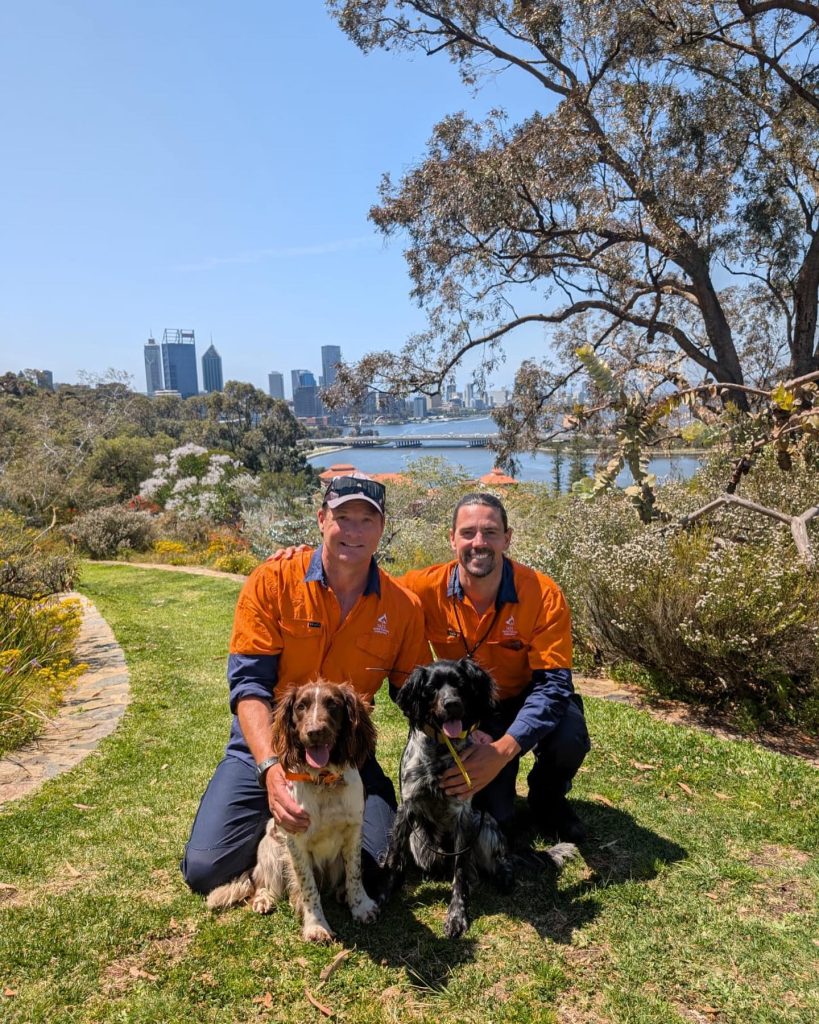
Mr Ryan Tate – Director at Tate Animals, Australia
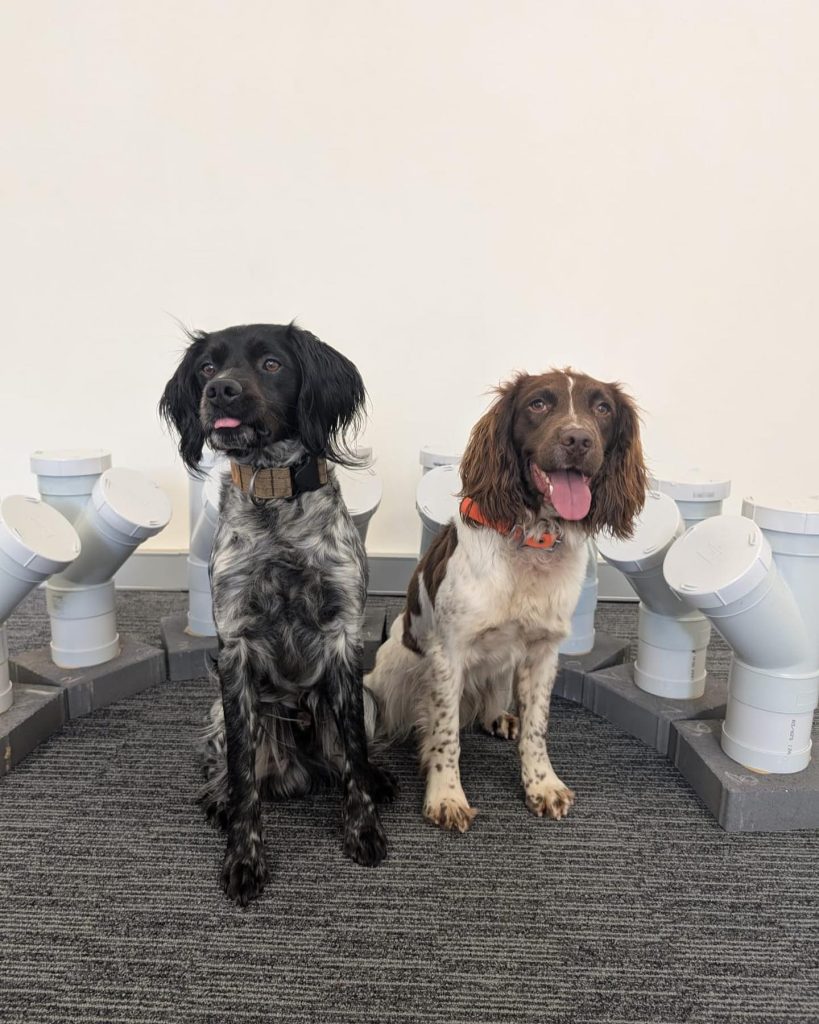
This workshop showcases the use of detection dogs for locating novel, cryptic biological invaders, with live demonstrations featuring multiple dogs targeting various species. The focus will highlight Western Australia’s DBCA Dieback Detector Dog Program, led by its head trainer, offering insights into their training, methodologies, and effectiveness. Participants will gain a deeper understanding of detection dog applications in biosecurity and invasive species management.
What Makes a Good Decision in Biosecurity?
Ms Melanie Newfield – Science Communicator and Writer, New Zealand
This workshop explores 11 characteristics of good decision-making and two pitfalls, highlighting conflicts within and between traits, such as balancing the need for information with timely decision-making. Participants will review illustrative quotes and analyse media-documented case studies, gaining practical insights into navigating these challenges. By examining real-world examples, the workshop aims to enhance participants’ decision-making frameworks and strategies for better outcomes.
A to Z Structured Expert Judgement Workshop - From Theory to Results Analysis
Dr Julia Polak – Research Fellow at CEBRA (Centre of Excellence for Biosecurity Risk Analysis), University of Melbourne, Australia
This workshop provides a hands-on introduction to expert judgment elicitation using the IDEA protocol and the IDEAcology platform. Participants will learn the theory, practice setting up and conducting elicitation, and explore aggregation methods for pooled estimates. The session includes practical exercises with R code for analysis and discussions on running informative elicitation processes. The workshop equips participants with tools and skills to enhance decision-making in ecology and biosecurity contexts.
DWG Green Card Training - Integrating Effective Environmental Biosecurity Hygiene During Field Work and Research
Ms Mia Townsend – CEO at Dieback Working Group Inc., Australia
Using Phytophthora cinnamomi as a case study, trainees will learn practical biosecurity hygiene for natural ecosystems, supported by insights into the pathogen’s biology and impacts in southwest WA. DWG, in collaboration with Binalup Aboriginal Corporation, will launch a new Green Card module at ICBI, integrating Indigenous perspectives on cultural heritage impacts. Participants will also explore other significant threats, including Myrtle Rust, Polyphagous Shot-Hole Borer, and Chytrid Fungus, enhancing pest and pathogen awareness.
Weed Control and Management to Enhance Ecological Recovery in a Highly Disturbed Urban Wildlife Corridor
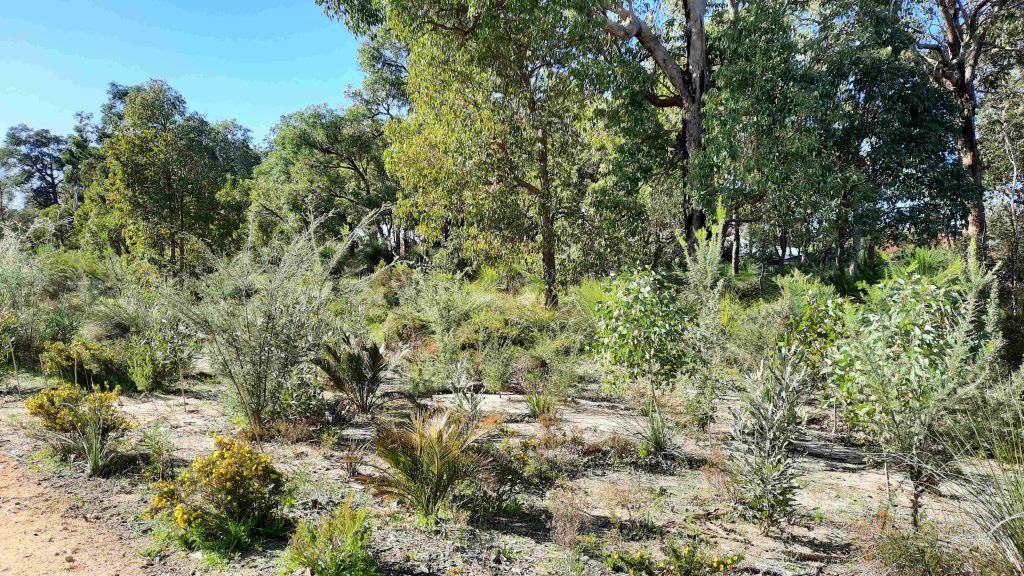
Mr Adam Peck – Rehabilitating Roe 8 Project Manager at City of Cockburn, Australia
The Roe 8 corridor is a highly diverse natural area, cleared in 2016/17 and since restored via a 10-year project (Rehabilitating Roe 8). Weeds and feral animals are a big threat to the success of the project, particularly weeds which benefit from clearing. Key themes will be invasive species/threats, vectors of dispersion and control methods.
H5 Bird Flu Preparedness and Response

Dr Bethany Jackson – Senior Lecturer Wildlife Health and Epidemiology at Murdoch University, Australia
Key topics to be covered will include:
- Avian influenza viruses
- The global spread and evolution of “H5 Bird Flu” (H5N1 2.3.4.4b)
- Impacts of the current panzootic for industry, animal health professionals, wildlife conservation, and the general public
- Risk assessment and risk mitigation, including “situational biosecurity”; the appropriate use of Personal Protective Equipment based on location, occupation, health status, risk profile, and presenting scenario